
The 2026 IT Job Market: Why Your Resume Needs an Upgrade
Landing your first IT job in 2026 can feel like trying to crack a complex algorithm. The tech landscape has shifted rapidly, and the old way of writing resumes—listing your degree and throwing in a few programming languages—just doesn’t work anymore. Recruiters are skimming hundreds of applications every single day, often using Applicant Tracking Systems (ATS) to filter out the noise. If your resume doesn’t stand out immediately, it gets lost.
So, how do you build a resume that actually gets you interviews as a fresher? It comes down to proving what you can do, not just what you’ve studied. In this comprehensive guide, we will break down exactly how to structure your resume, what to include, and what to leave out.
1. Ditch the Generic Objective Statement
In the past, every resume started with an objective statement like: “Seeking a challenging role in a reputed organization to utilize my skills.” Let’s be honest—that tells the recruiter absolutely nothing about your technical abilities.
Want Instant Job Updates? 🚀
Join aspirants getting the latest sarkari naukri alerts on our official channels.
Instead, use a Professional Summary. This should be a highly targeted 2-3 sentence pitch highlighting your core technical skills, a standout project, and what you bring to the table.
- Bad: Fresh IT graduate looking for a software developer role to grow my career.
- Good: B.Tech Computer Science graduate with hands-on experience in React.js and Node.js. Developed a full-stack e-commerce application handling 500+ daily mock transactions. Passionate about building scalable web solutions and optimizing database performance.
2. Prioritize Projects Over Coursework
When you have zero corporate experience, your personal, academic, or freelance projects are your real experience. This is the section recruiters and technical leads care about the most.
Don’t just list the name of the project. Explain the impact and the tech stack. Use the STAR method (Situation, Task, Action, Result) even for personal projects.
- Project Name: Smart Inventory Management API
- Tech Stack: Python, FastAPI, PostgreSQL, Docker
- Details: Built a RESTful API to track inventory levels in real-time. Implemented JWT authentication for secure access and reduced database query load time by 20% using advanced indexing. Deployed the application using Docker containers on AWS.
Always include a link to your GitHub repository or the live project. If you are looking for IT roles, check out the latest private sector jobs here to see what tech stacks are currently in high demand.
3. Format for ATS (Applicant Tracking Systems)
Most large tech companies use ATS to scan resumes before a human ever sees them. If your resume has crazy graphics, multiple columns, progress bars for skills, or weird fonts, the ATS will scramble it and reject you automatically.
Follow these strict ATS rules for 2026:
- Single-Column Layout: ATS bots read left to right, top to bottom. Multi-column layouts confuse them.
- Standard Fonts: Stick to standard, highly readable fonts like Arial, Calibri, Helvetica, or Roboto.
- PDF Format: Always save and submit your resume as a PDF unless the job description explicitly asks for a Word document.
- Standard Headers: Use standard section headers: “Experience,” “Education,” “Projects,” and “Skills.” Do not get creative with headers like “My Journey” or “What I Know.”
4. Categorizing Hard Skills vs. Soft Skills
You need both technical and interpersonal skills, but you need to prove them differently.
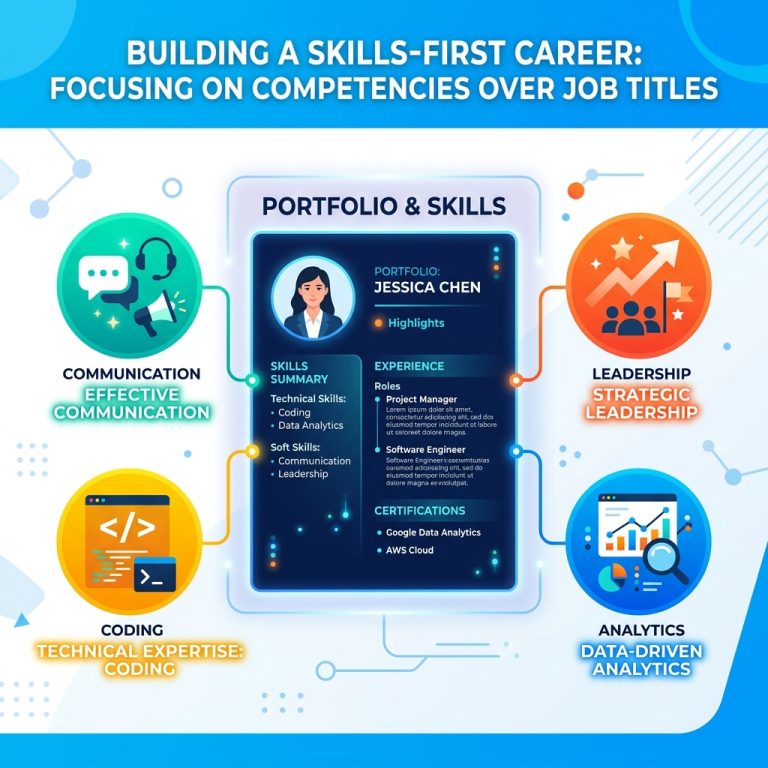
Hard Skills: List these clearly and break them down by category. This makes it incredibly easy for a recruiter to scan. For example:
- Languages: JavaScript (ES6+), Python, Java
- Frameworks/Libraries: React, Express, Spring Boot, TailwindCSS
- Databases: MongoDB, PostgreSQL, Redis
- Tools & DevOps: Git, Docker, AWS (EC2, S3), Postman
Soft Skills: Do not just list “Leadership” or “Communication” in a bulleted list. Prove it in your projects or extracurriculars. “Led a team of 4 in a 48-hour hackathon to deliver a working prototype” proves leadership and teamwork much better than a standalone bullet point.
5. Education and Certifications
As a fresher, your education matters, but keep it concise. Include your degree, university name, graduation year, and CGPA (only if it’s above a 7.5 or 8.0). If your CGPA is lower, simply leave it off—focus entirely on your projects and skills.
If you have relevant certifications, this is the time to showcase them. In 2026, certifications from recognized cloud providers or specialized platforms carry a lot of weight.
- AWS Certified Cloud Practitioner
- Meta Front-End Developer Professional Certificate
- Google Data Analytics Certificate
6. Tailoring Your Resume for Every Application
One of the biggest mistakes freshers make is using the exact same resume for 100 different job applications. Your resume is a living document. You must tailor it for every single job application.
Look at the job description. If a company is heavily emphasizing “React and Redux,” make sure your React projects are at the very top of your project section. Find the keywords they are using in the job posting, and ensure those exact keywords are naturally integrated into your professional summary and project descriptions.
Conclusion
Building a great resume takes time, but it’s the most important investment you can make in your early career. Keep it clean, keep it focused on tangible results, and make it incredibly easy for a recruiter to see your value within 6 seconds. Once your resume is polished, head over to our government jobs or private sector portals and start applying!